
See below for examples of Mutual Aid from history. Click on the links to learn more.
-
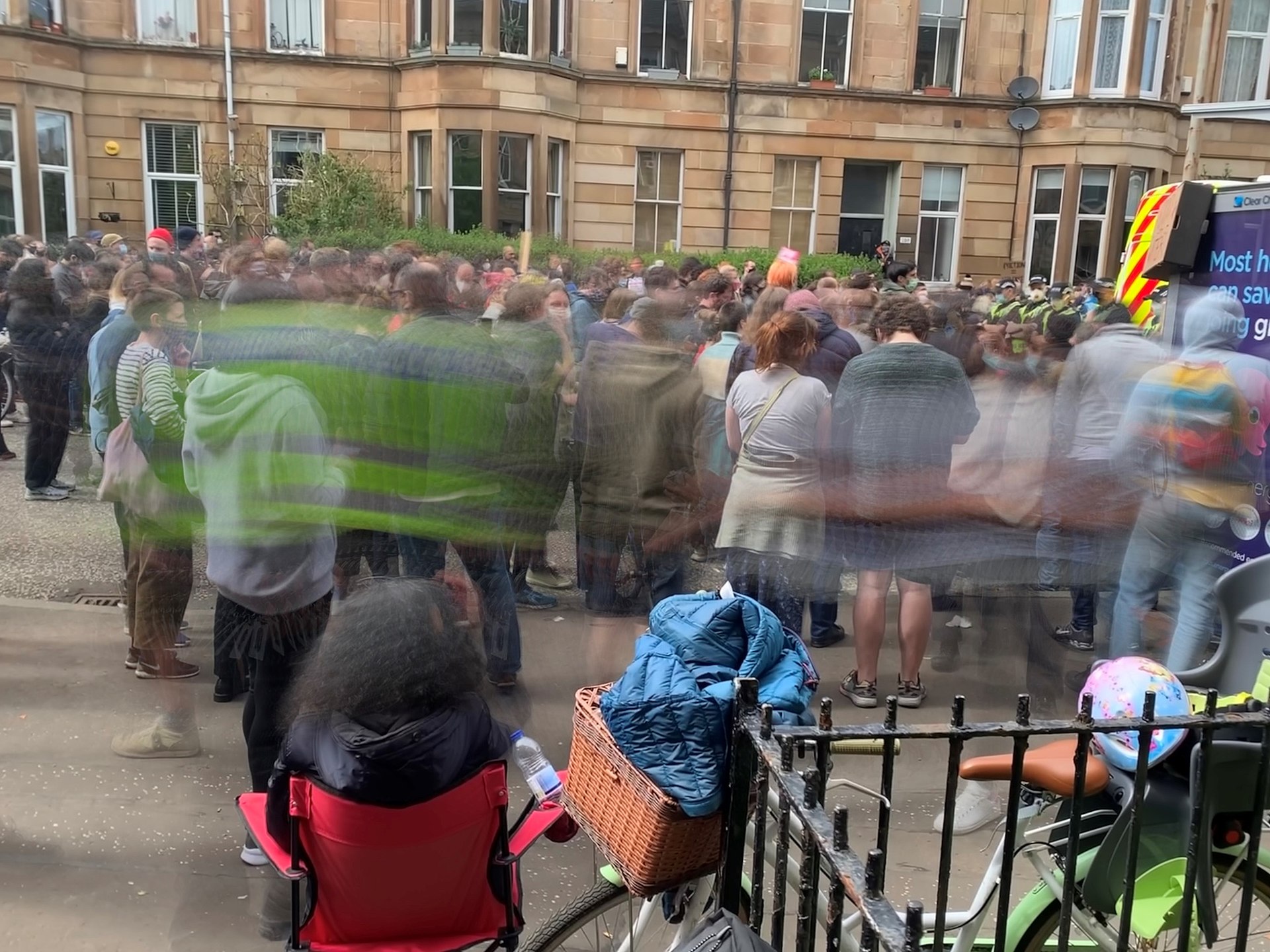
Kenmure Street protests
On 13th May 2021, two men were detained by the Home Office for alleged immigration violations. In response, people from various backgrounds and communities spontaneously came together to surround the Home Office van for an astounding 8 hours, to prevent the van leaving and taking away the men. This act of solidarity and mutual aid…
-
UK COVID-19 mutual aid groups
Source: Freedom News, 19 December, 2021 In the early days of the pandemic, Freedom put out a call to found mutual aid groups for helping people struggling under lockdown, which went spectacularly viral. Anna K, one of the original organisers of the phenomenon, reflects on lessons learned. Back in April 2020, I offered five thoughts on the successes…
-
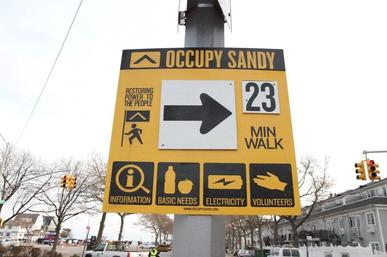
Occupy Sandy
Occupy Sandy was a grassroots relief effort that emerged in the aftermath of Hurricane Sandy, which struck the northeastern United States in October 2012. This superstorm caused widespread devastation, particularly in New York and New Jersey, and left millions of people without power, food, clean water, and shelter. Occupy Sandy was an offshoot of the…
-
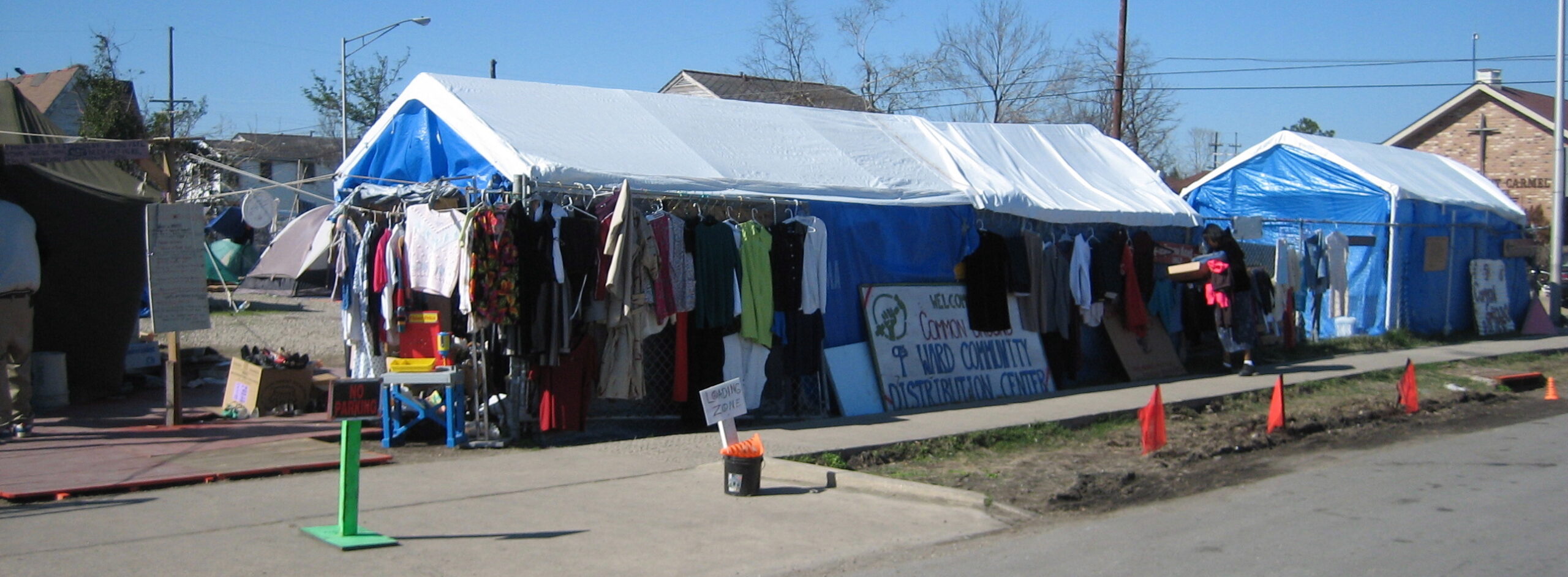
Hurricane Katrina and Common Ground Collective
After Hurricane Katrina hit New Orleans in 2005, the government lost control of the city and left thousands of residents to fend for themselves. Dead body parts drifted through flooded streets, and National Guard helicopters flew overhead not to rescue people but to point machine guns down at the mostly black and low-income population.[1] “Yet…
-
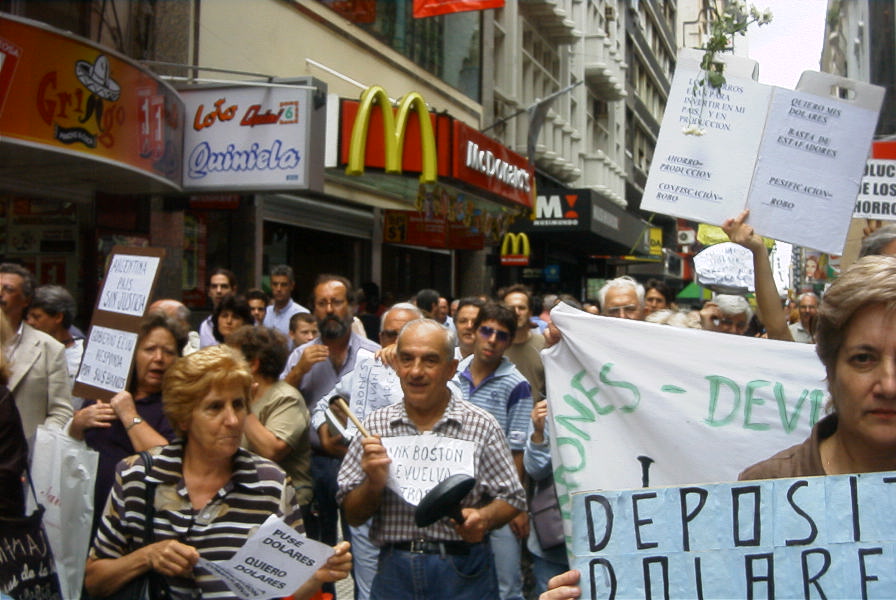
Argentinian horizontalidad
In December 2001, a long-brewing economic crisis in Argentina matured into a run on the banks which precipitated a major popular rebellion. Argentina had been the poster child of neoliberal institutions such as the International Monetary Fund, but the policies that enriched foreign investors and gave middle class Argentinians a First World lifestyle created an…
-
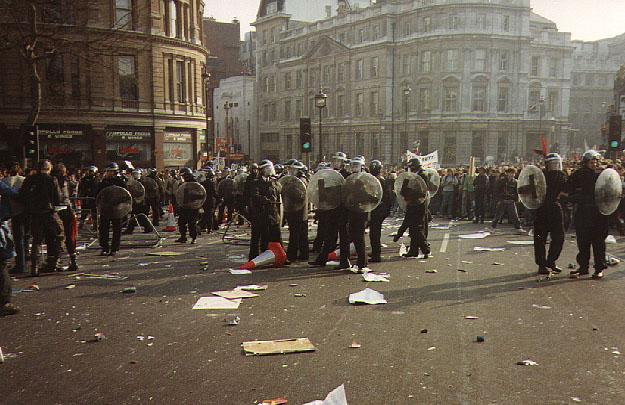
Anti-poll tax movement
Mutual aid played a pivotal role in the anti-poll tax movement in the United Kingdom during the late 1980s and early 1990s. The poll tax, officially known as the Community Charge, was a highly regressive tax that required all adults to pay the same amount, regardless of their income. It was deeply unpopular, and many…
-
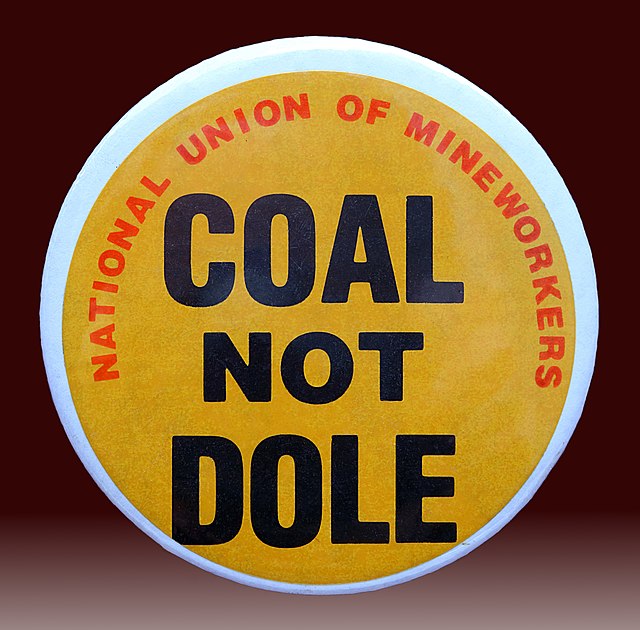
Women Against Pit Closures
In 1984, a yearlong strike was waged to save mining communities from the closure of pits. Miners’ union leader Arthur Scargill warned that at least 20 pits would be closed, which was in fact a huge underestimation of the intended closures planned. The closures of pits were part of a broader assault on the organised working class. The miners…
-
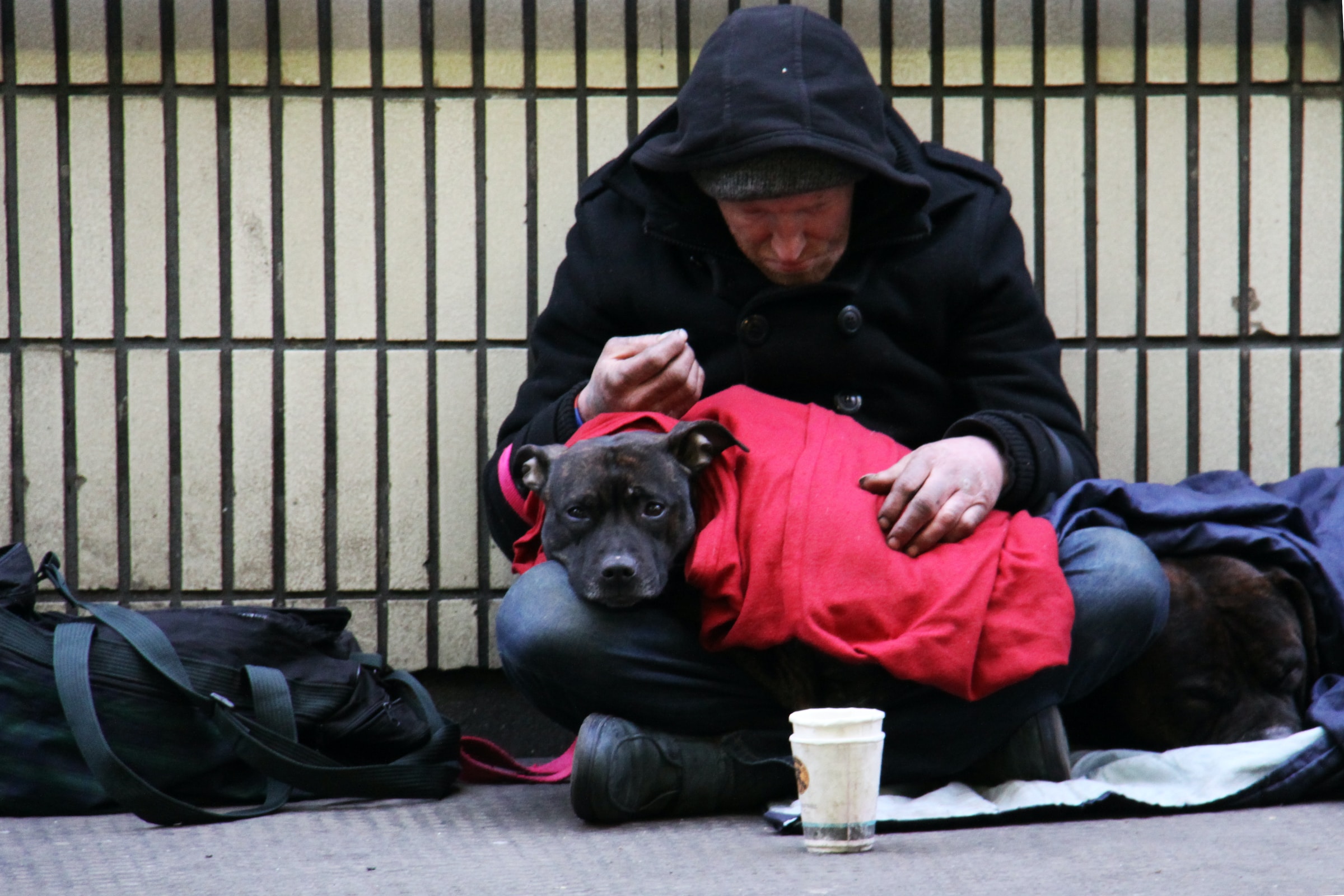
The National Union of the Homeless (USA)
The National Union of the Homeless (NUH) was a grassroots organization in the United States that emerged in the 1980s. It was dedicated to advocating for the rights and needs of homeless individuals and families. The 1980s saw a significant increase in homelessness in the United States, driven by cutting of mental health facilities, rising…
-

The Young Lords
The Young Lords Party was born out of the disenfranchised Puerto Rican community in Chicago in 1968, and then El Barrio (East Harlem), New York City in 1969. From there, the Lords expanded into cities like Philadelphia; Bridgeport, Connecticut; and eventually San Juan, Puerto Rico. The Young Lords brought people into the movement by starting with…
-
The Black Panther Party
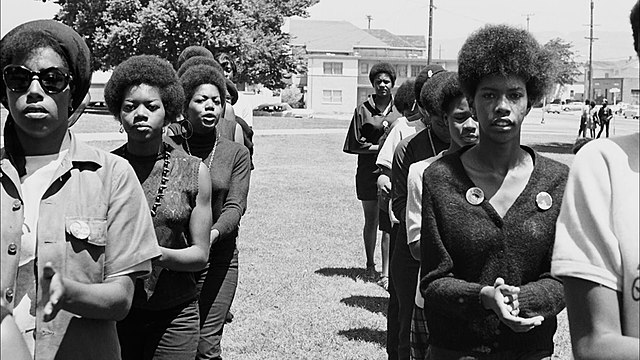
In 1968, the Black Panther Party introduced its free breakfast program, which within a year feed 20,000 in 19 cities. This was one of 65 “survival programs” created by the party- with the slogan “survival pending revolution”. Other programs included children’s development centres, schools and adult education, free food/clothing, health clinics (with an ambulance service),…
-
Dutch Provos
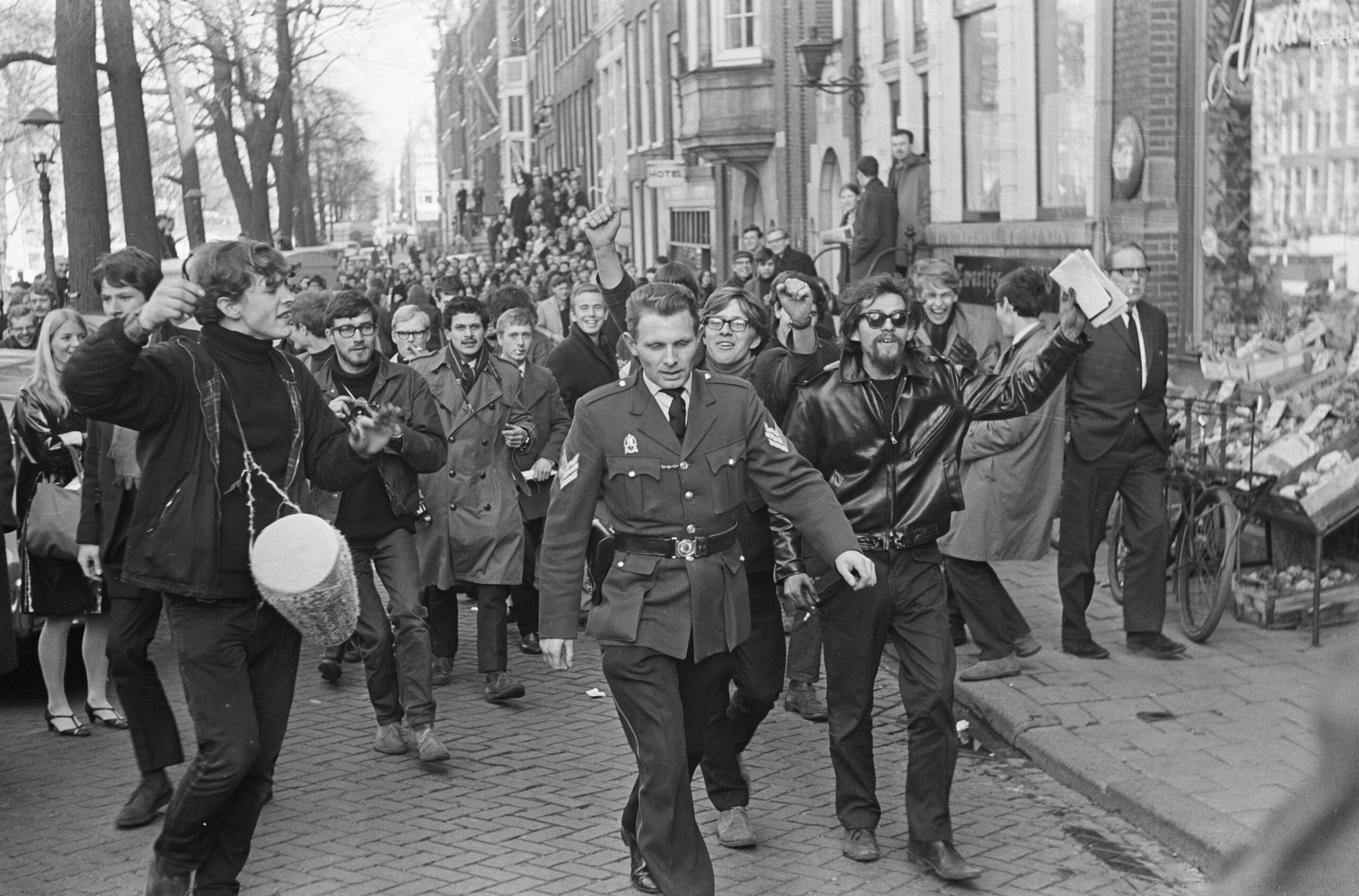
The Provos emerged in the early 1960s as a response to the conservative climate of post-war Netherlands. Fueled by a desire for social change, these young activists set out to confront the pressing issues of their time: political oppression, the Vietnam war, and the enduring threat of nuclear warfare. At the heart of the Provos’…
-
Spanish Civil War Collectives
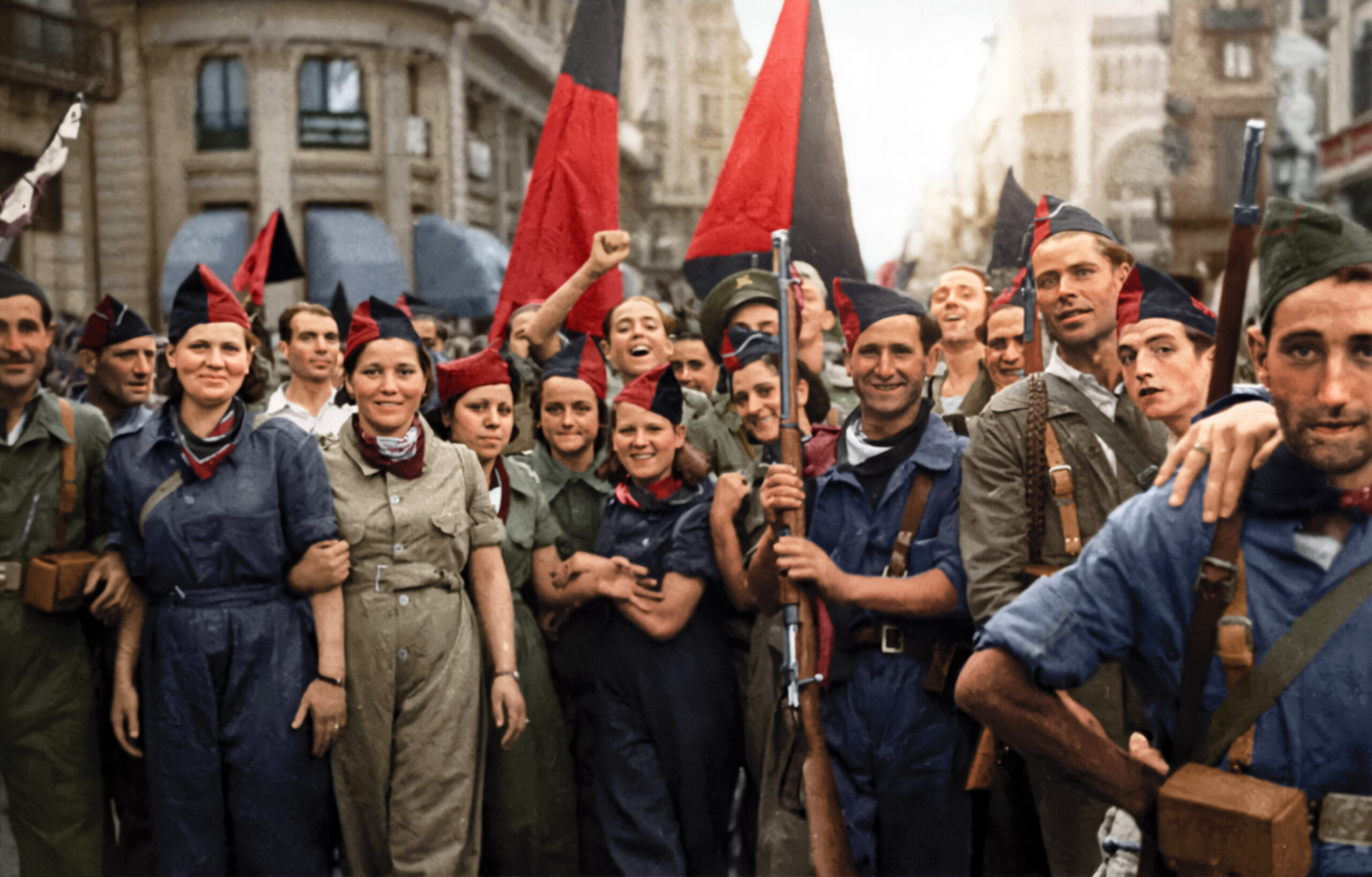
During the Spanish Civil War (1936-1939), anarchist and socialist groups in Republican-controlled areas established agricultural and industrial collectives. These collectives aimed to create a society based on mutual aid, self-management, and communal ownership, where resources and labor were shared for the benefit of all. It was a mutual aid based economy, where the economic instruments…
-
Young Negroes’ Cooperative League
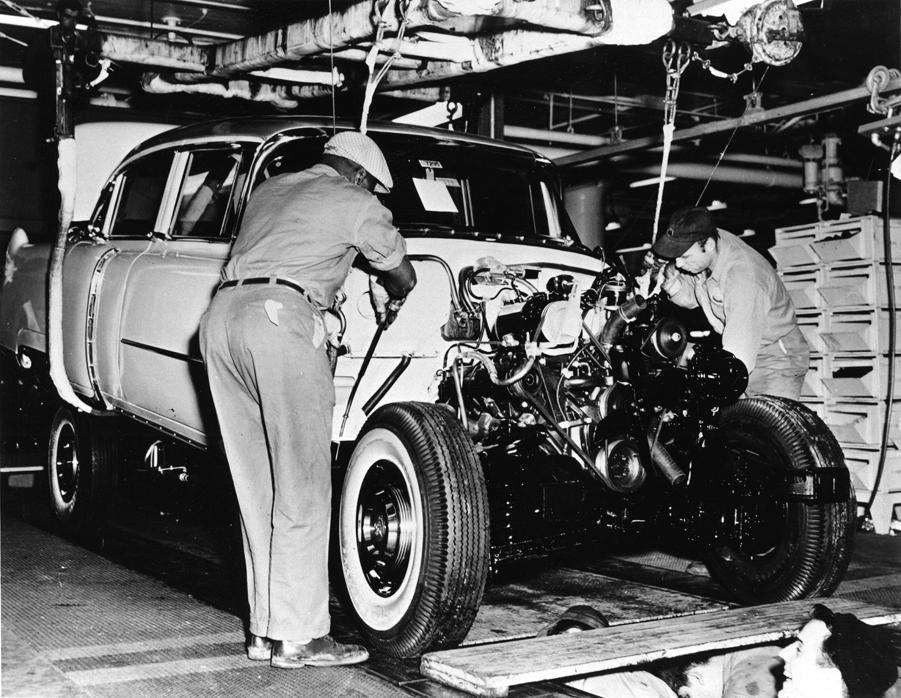
Founded in 1930 by the black Anarchist George Schuyler, the Young Negroes’ Cooperative League (YNCL) coordinated twenty-four African American-led consumer cooperatives and buying clubs across the so-called “United States.” The organization put into practice principles of participatory democracy and gender equality. Schuyler explained, “We are ultra democratic and all power rests in the hands of…
-
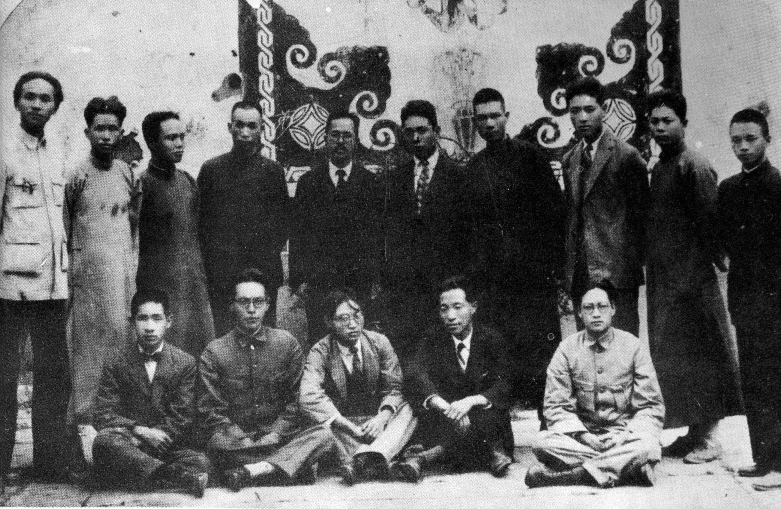
Shinmin autonomous region, 1929-31
From 1929 to 1931, two million Korean migrants ran an autonomous, Anarchist zone in Shinmin, a rural province in Manchuria (in China) across the border from Korea. Residents made decisions at village assemblies, which confederated into district councils and area councils.[1] The confederation, known as the Korean People’s Association in Manchuria (KPAM), had administrative departments that…
-
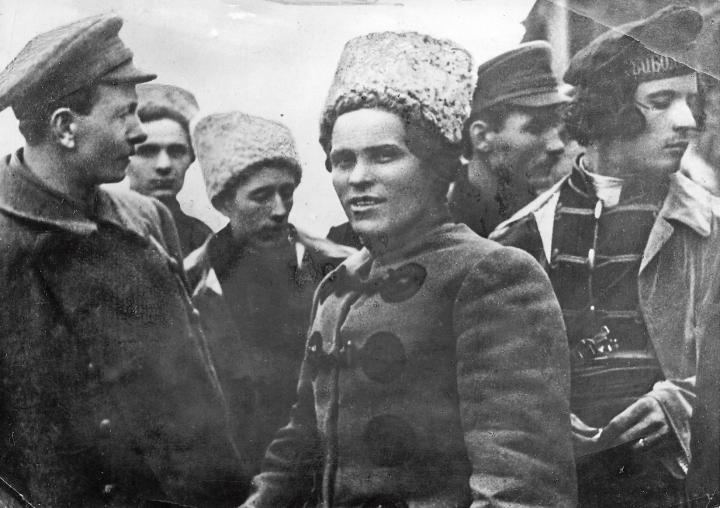
Free territories, 1918-21
Source: Roar Magazine When a significant part of the Ukraine was liberated by the anarchist Makhnovists in 1918, the region soon came to be ruled by confederation of worker unions, farmer committees, and neighborhood and soldier councils, with communal production based on Mutual Aid. Protection for the libertarian communes that sprung up both in the…
-
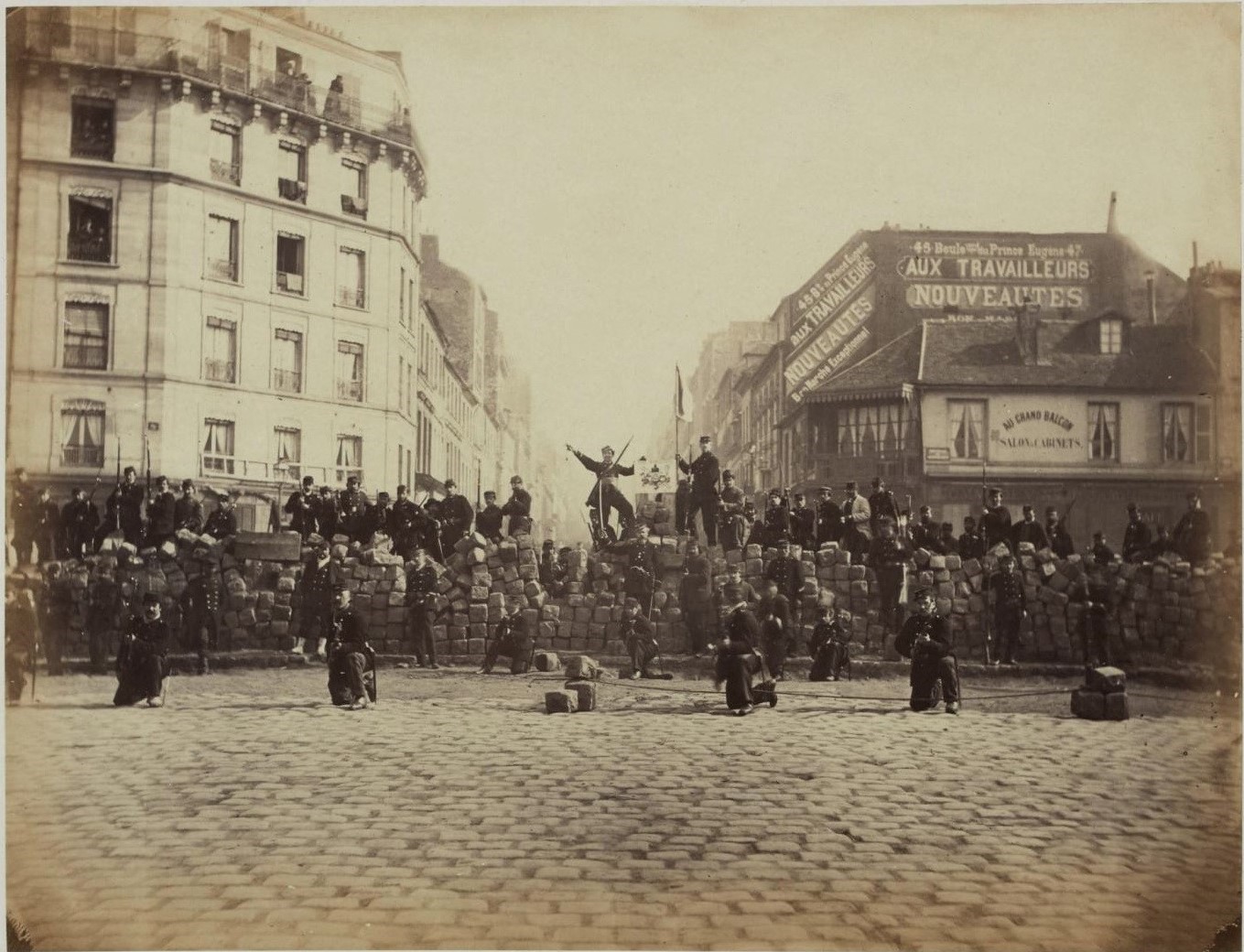
The Paris Commune
The Paris Commune was a revolutionary polity of 2 million that ruled Paris from March 18 to May 28, 1871. It was established in the context of the Franco-Prussian War and represented a moment of radical experimentation in governance and social organisation. The Commune was characterised by its focus on direct democracy and worker self-management.…
-
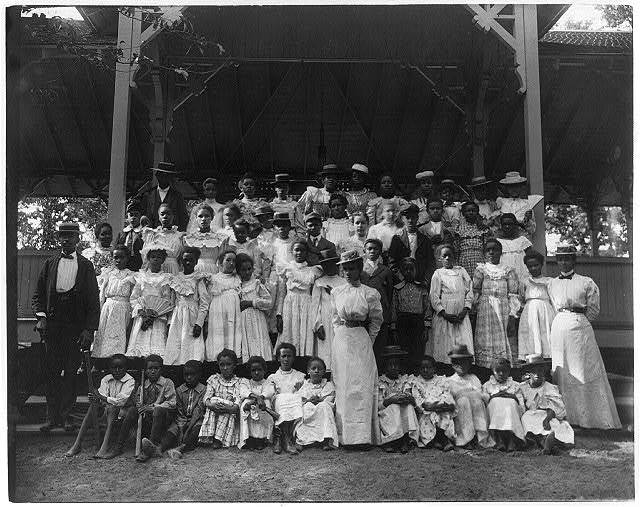
Black Reconstruction
Reconstruction-era African Americans created thousands of mutual aid groups, such as burial societies, debating clubs, drama societies, and trade associations.[34] The establishment of these groups constituted a form of direct action; in each case communities decided to directly and collectively improve their own lives. In Atlanta, blacks pooled together funds and built a hospital.[35] Eric Foner writes…
-
Mutual Benefit Societies for freed African slaves
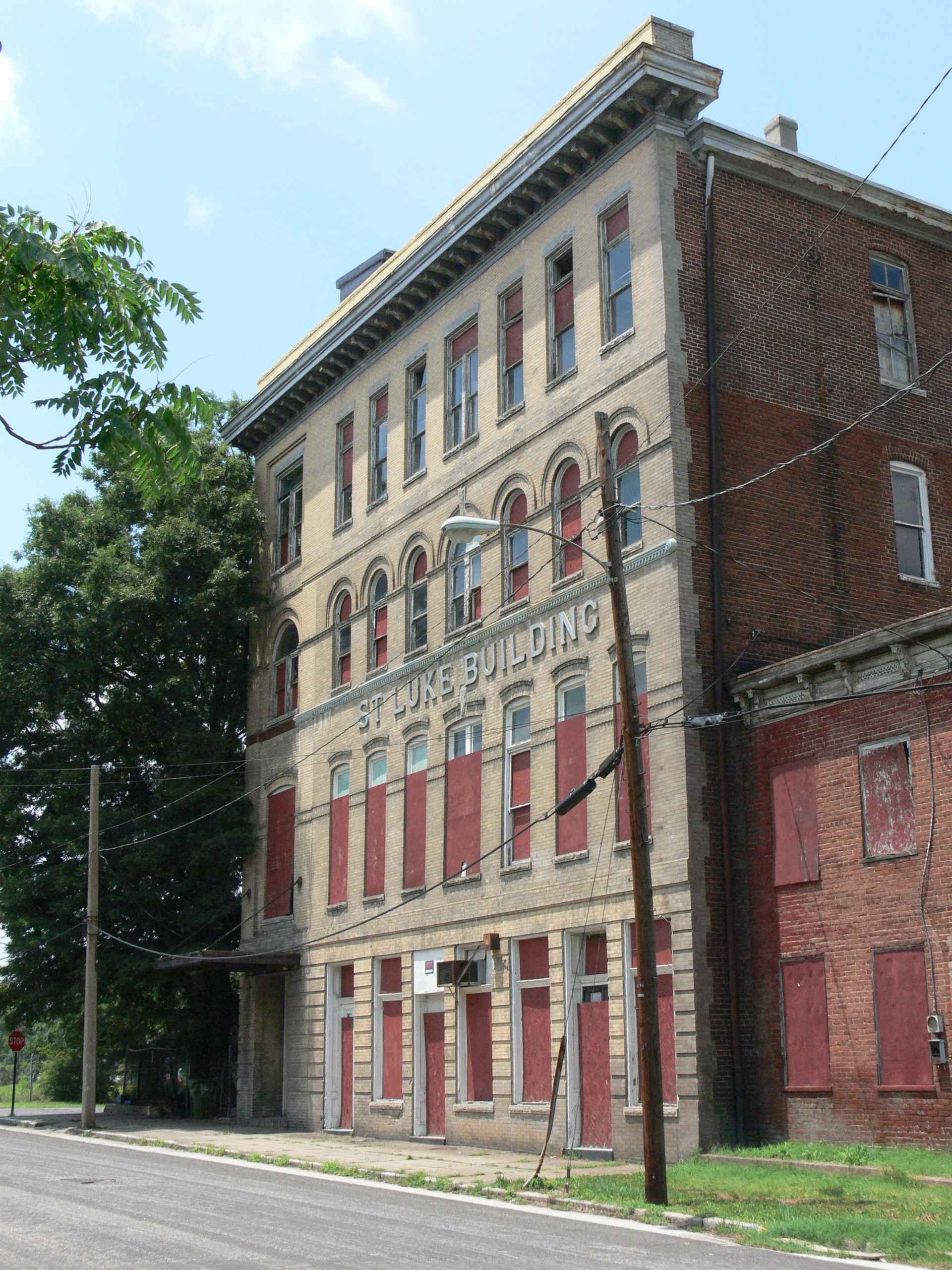
Mutual benefit societies were organizations that provided mutual aid for “free Africans and their descendants” which emerged after the abolition of slavery in the United States. These Mutual aid societies were created to help people, given welfare was segregated and controlled by white people. These societies also acted as cultural centres and were often connected…
-
Parisian sections
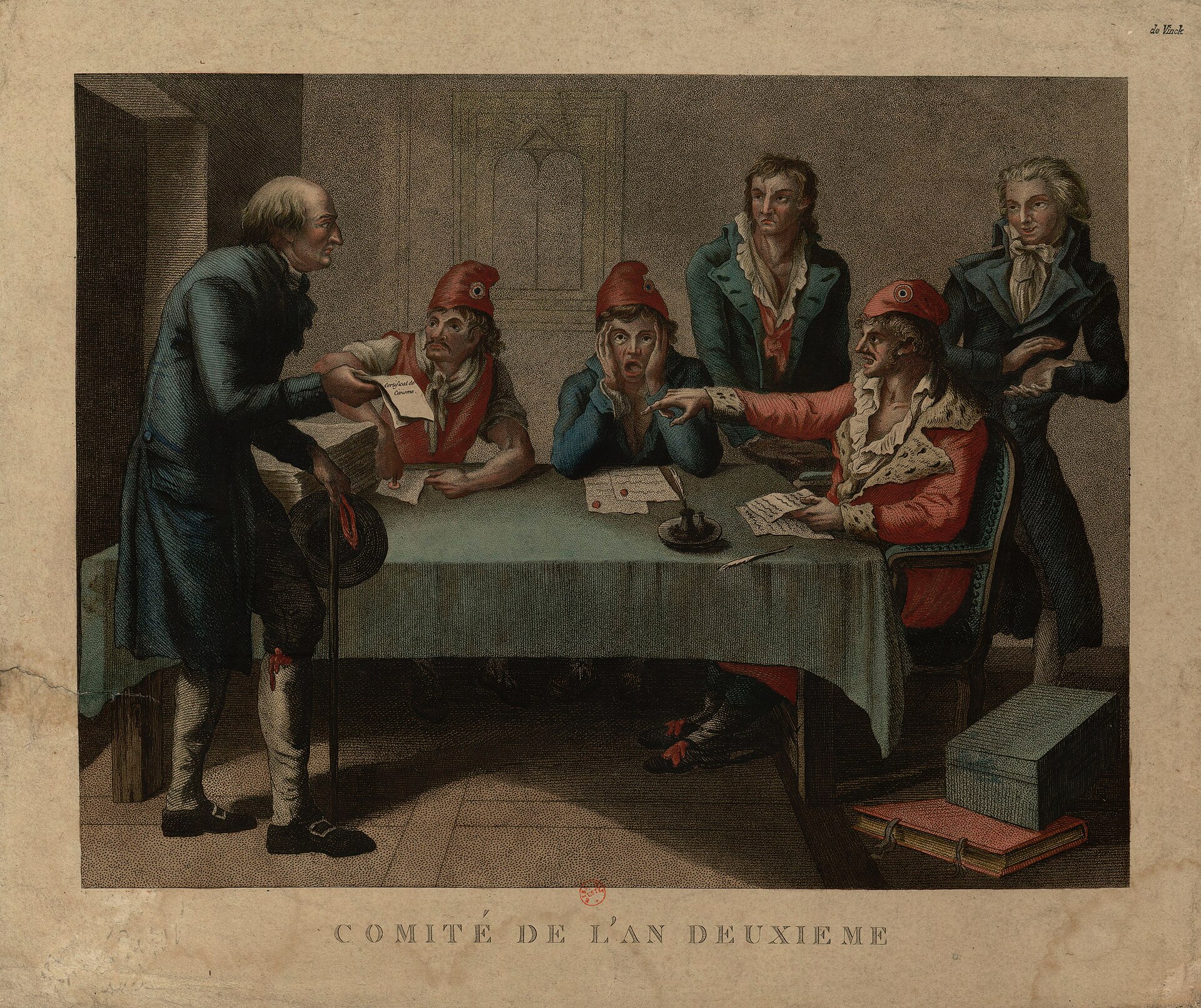
From Janet Biehl, The Politics of Social Ecology: Libertarian Municipalism: In France, the Parisian sectional assemblies of 1793 were the most democratic and radical political institutions to emerge during the course of the Great Revolution. In preparation for the epochal meeting of the Estates General in Versailles in 1789, the French monarchy was obliged to establish…
-
The Diggers- 1649-’52
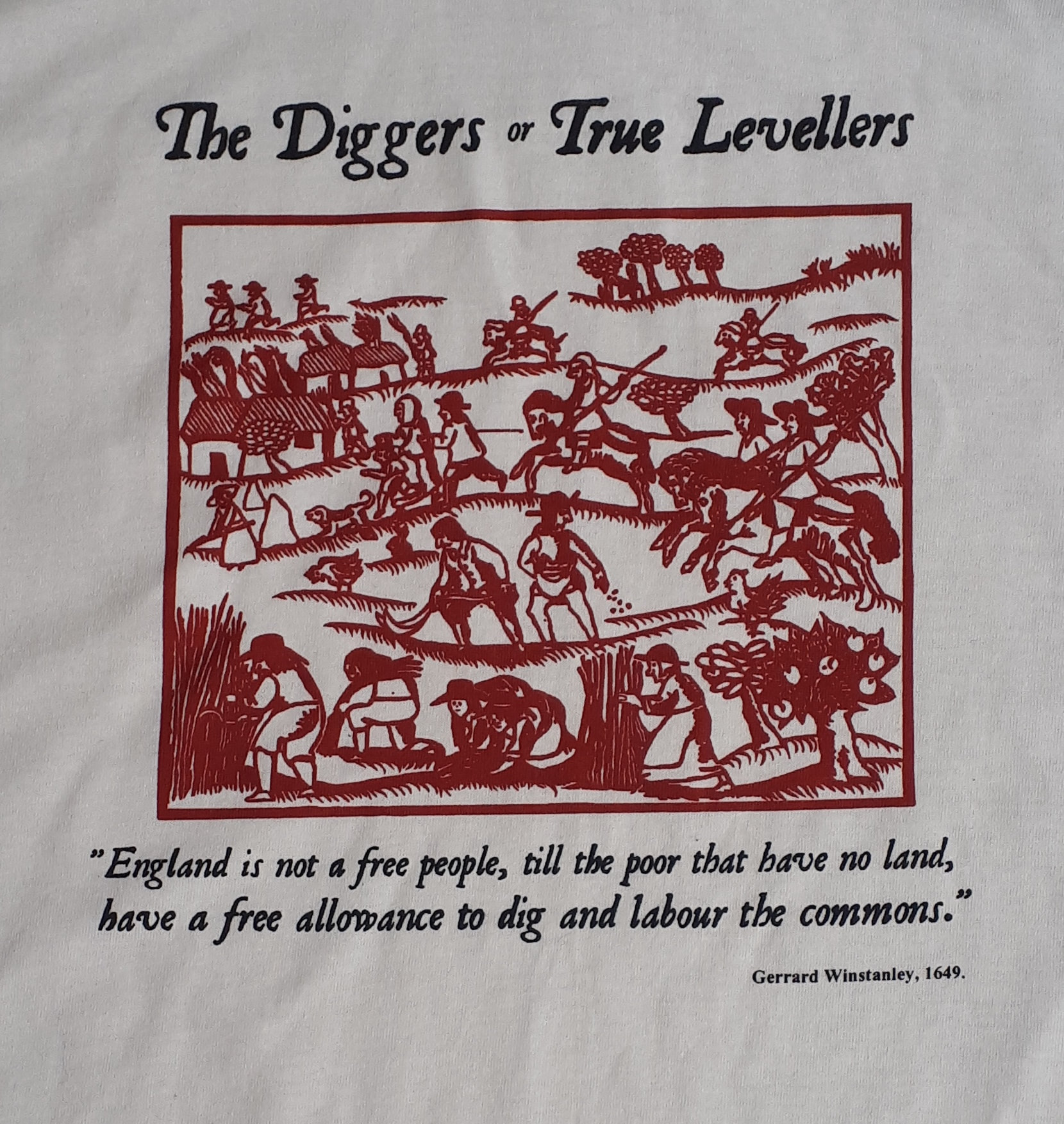
The Diggers were a group of English Protestant radicals who emerged during the English Revolution in the mid-17th century. The Diggers’ core belief was that the land should be a common resource, not owned by private individuals or the aristocracy, but instead worked collectively for all in the spirt of mutual aid. In 1649, the…
-
Indigenous Mutual Aid
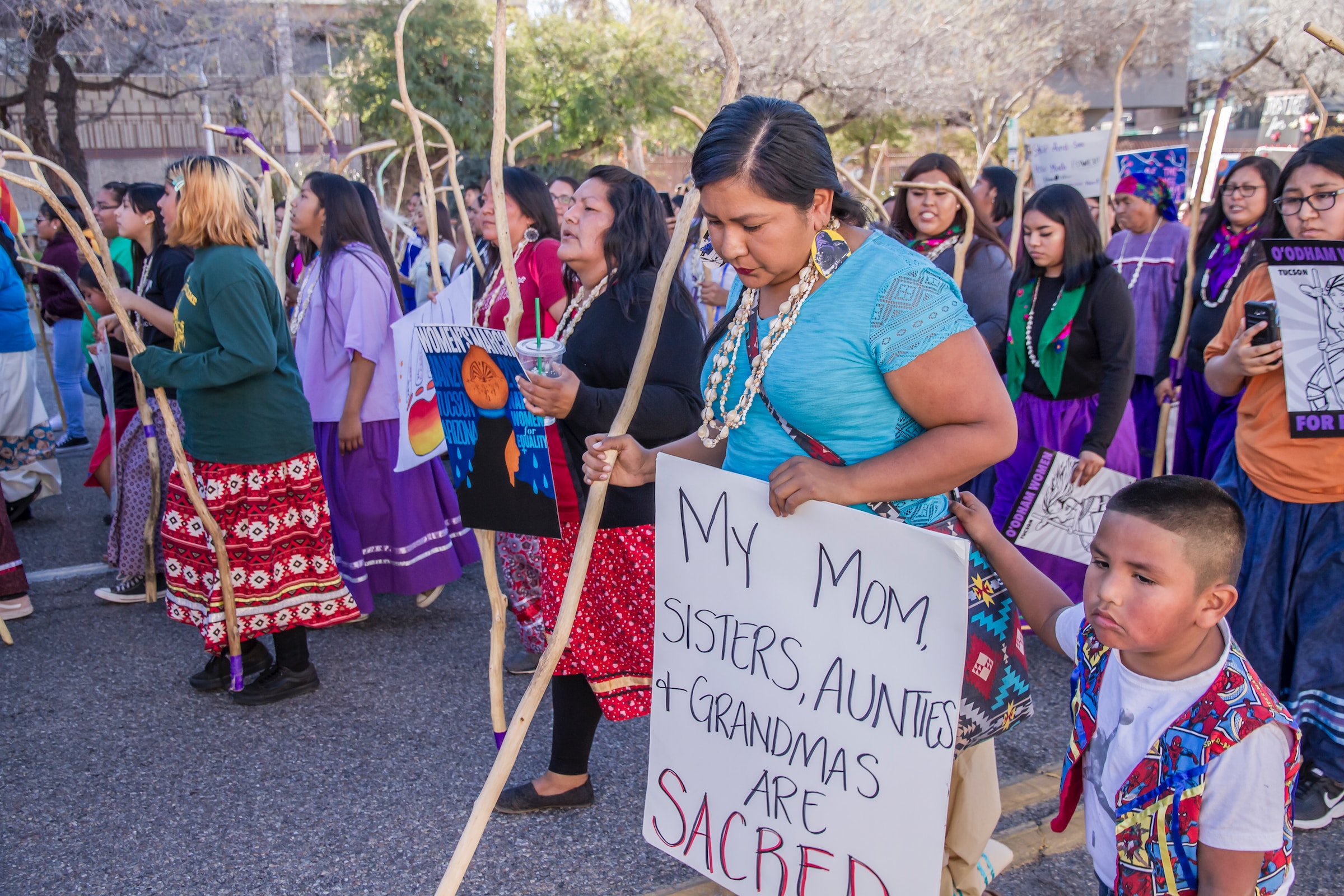
Klee Benally, project coordinator at Indigenous Media Action, argues that mutual aid is an unbroken tradition among Indigenous people across many cycles of colonialism, maintained through traditional teachings that contemporary Indigenous mutual aid projects are working to restore and amplify. Settlers have long worked to undermine Indigenous people’s self-sustaining practices by first destroying food systems and then forcing…