
What is Mutual Aid?
Mutual aid is where people in an area, or a community, come together to support one another, collectively meeting each other’s needs without the help of official bodies like the state or NGOs. It often arises due to neglect of government provision for certain classes of people.
Mutual aid, in simpler words, is cooperation for the common good.
Mutual aid is a horizontal mode of organisation, aiming to break down hierarchies and practice collective decision making. However, the concept of mutual aid encompasses a wide variety of practices – there is no one-catch-all term or definition, it is a universal practice rather than a singular concept. All the examples listed on this site attempt to speak to the universality of this practice, but by no means aim to define them rigidly.
The idea of solidarity, rather than charity, underpins mutual aid. Resources are unconditionally shared, as opposed to charity which is often conditional and means tested.
History of Mutual Aid
-
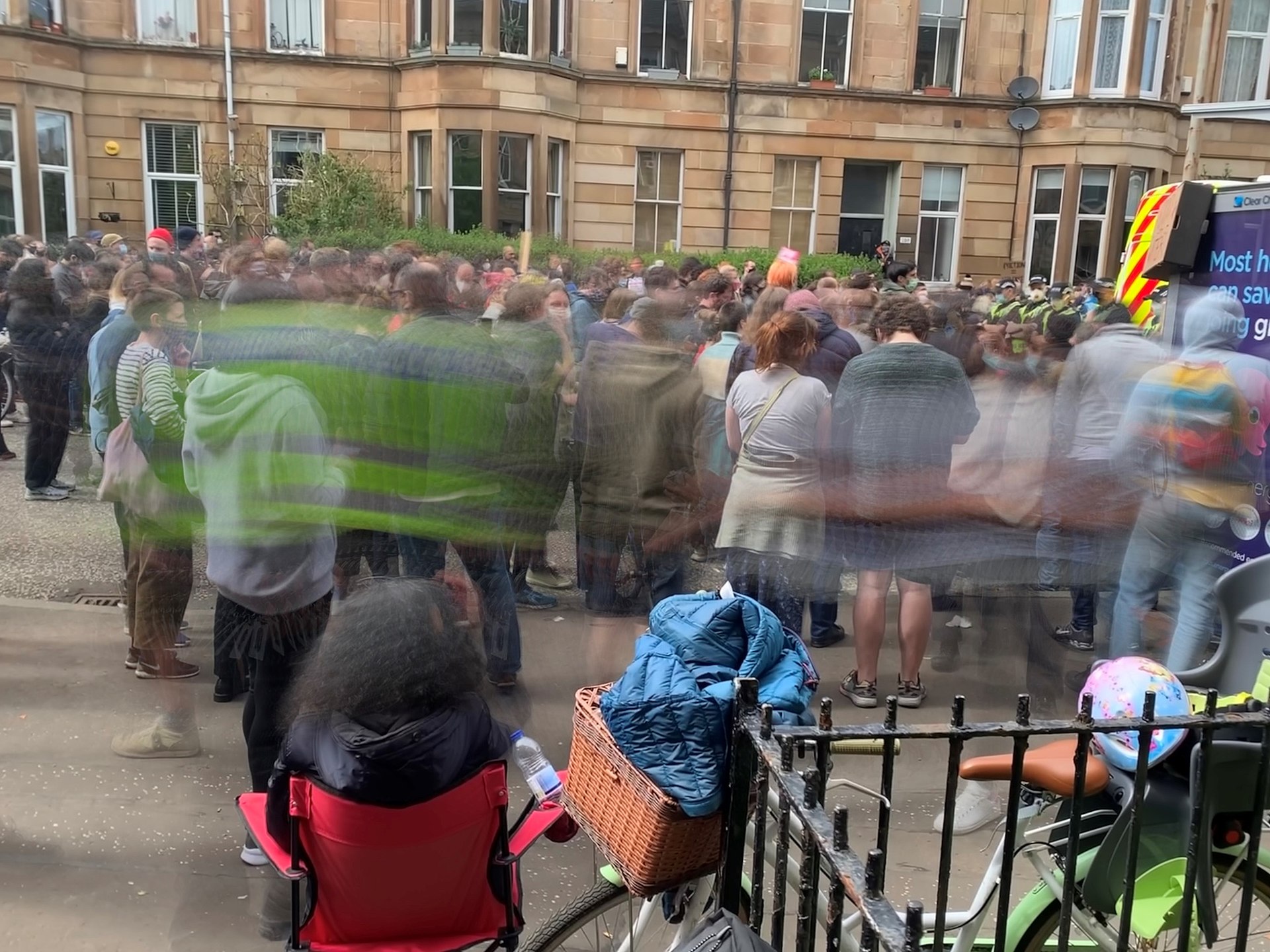
Kenmure Street protests
On 13th May 2021, two men were detained by the Home Office for alleged immigration violations. In response, people from various backgrounds and communities spontaneously came together to surround the Home Office van for an astounding 8 hours, to prevent the van leaving and taking away the men. This act of solidarity and mutual aid…
-
UK COVID-19 mutual aid groups
Source: Freedom News, 19 December, 2021 In the early days of the pandemic, Freedom put out a call to found mutual aid groups for helping people struggling under lockdown, which went spectacularly viral. Anna K, one of the original organisers of the phenomenon, reflects on lessons learned. Back in April 2020, I offered five thoughts on the successes…
-
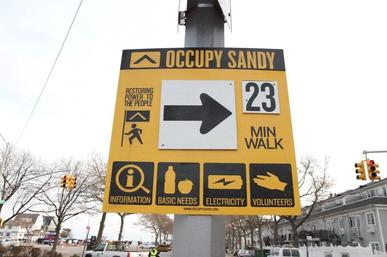
Occupy Sandy
Occupy Sandy was a grassroots relief effort that emerged in the aftermath of Hurricane Sandy, which struck the northeastern United States in October 2012. This superstorm caused widespread devastation, particularly in New York and New Jersey, and left millions of people without power, food, clean water, and shelter. Occupy Sandy was an offshoot of the…
-
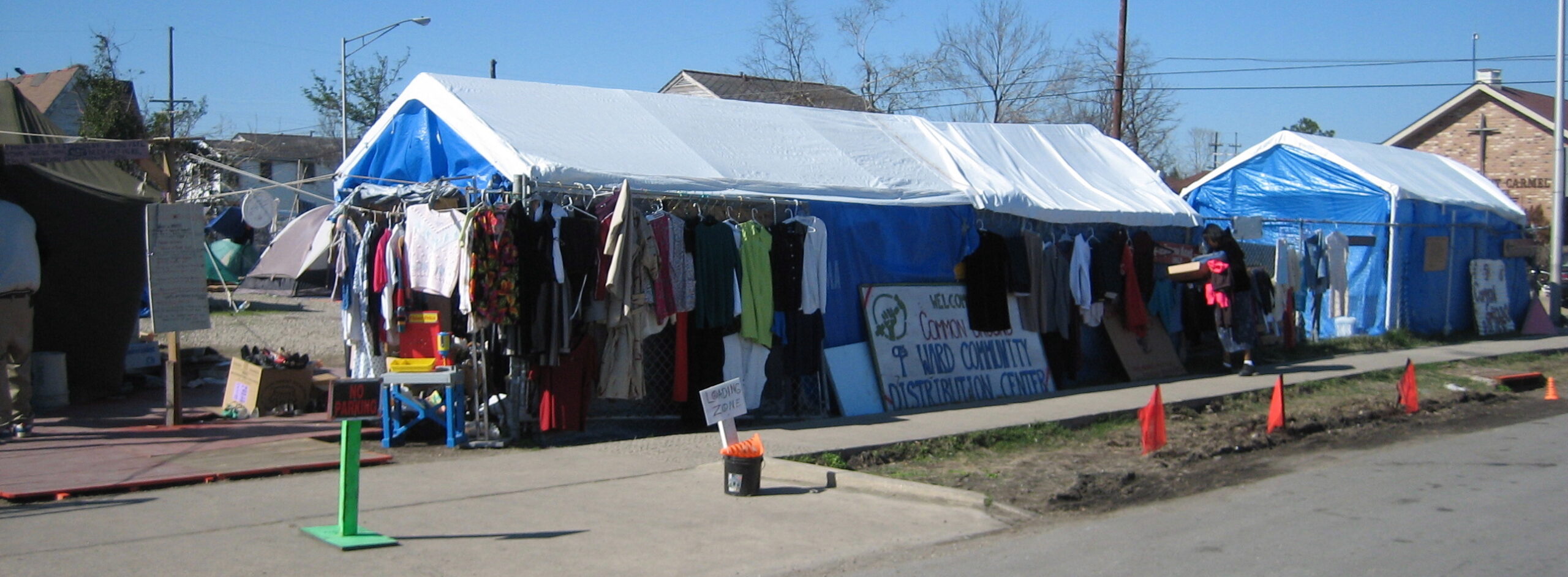
Hurricane Katrina and Common Ground Collective
After Hurricane Katrina hit New Orleans in 2005, the government lost control of the city and left thousands of residents to fend for themselves. Dead body parts drifted through flooded streets, and National Guard helicopters flew overhead not to rescue people but to point machine guns down at the mostly black and low-income population.[1] “Yet…
-
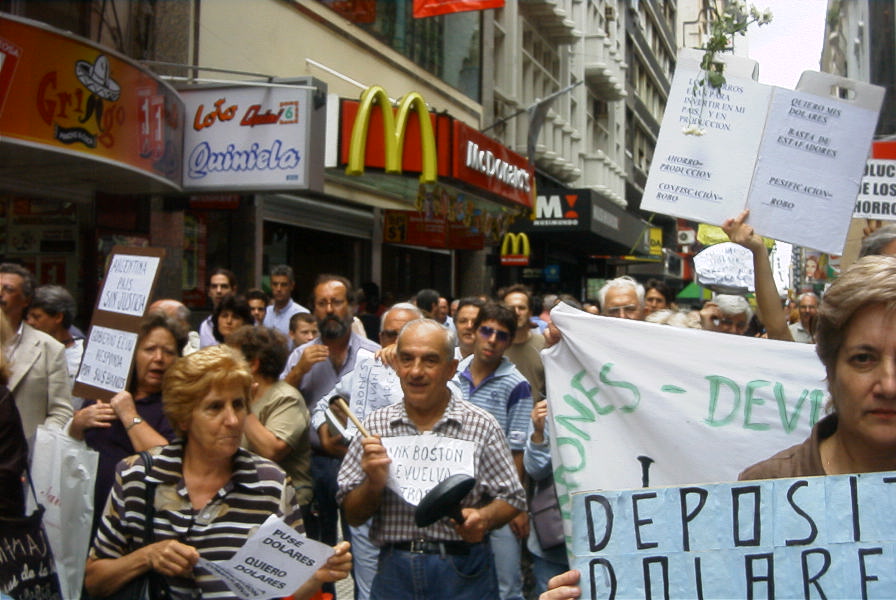
Argentinian horizontalidad
In December 2001, a long-brewing economic crisis in Argentina matured into a run on the banks which precipitated a major popular rebellion. Argentina had been the poster child of neoliberal institutions such as the International Monetary Fund, but the policies that enriched foreign investors and gave middle class Argentinians a First World lifestyle created an…
-
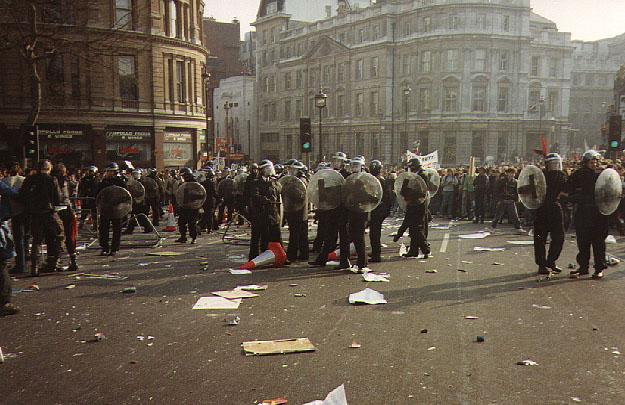
Anti-poll tax movement
Mutual aid played a pivotal role in the anti-poll tax movement in the United Kingdom during the late 1980s and early 1990s. The poll tax, officially known as the Community Charge, was a highly regressive tax that required all adults to pay the same amount, regardless of their income. It was deeply unpopular, and many…
-
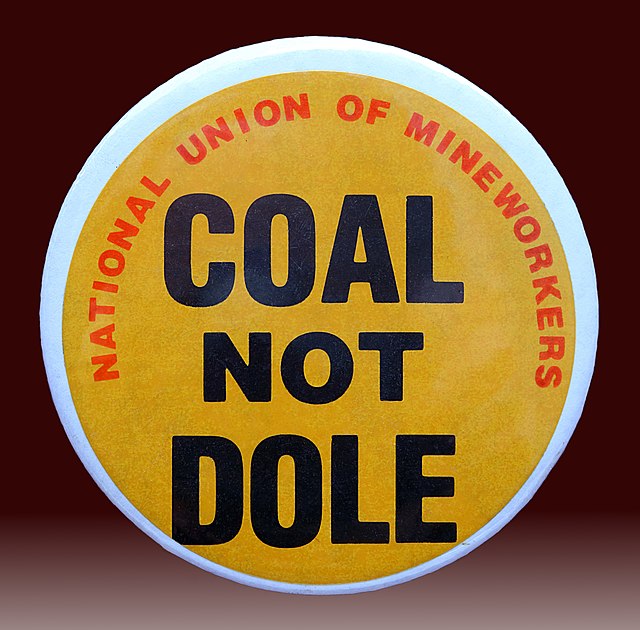
Women Against Pit Closures
In 1984, a yearlong strike was waged to save mining communities from the closure of pits. Miners’ union leader Arthur Scargill warned that at least 20 pits would be closed, which was in fact a huge underestimation of the intended closures planned. The closures of pits were part of a broader assault on the organised working class. The miners…
-
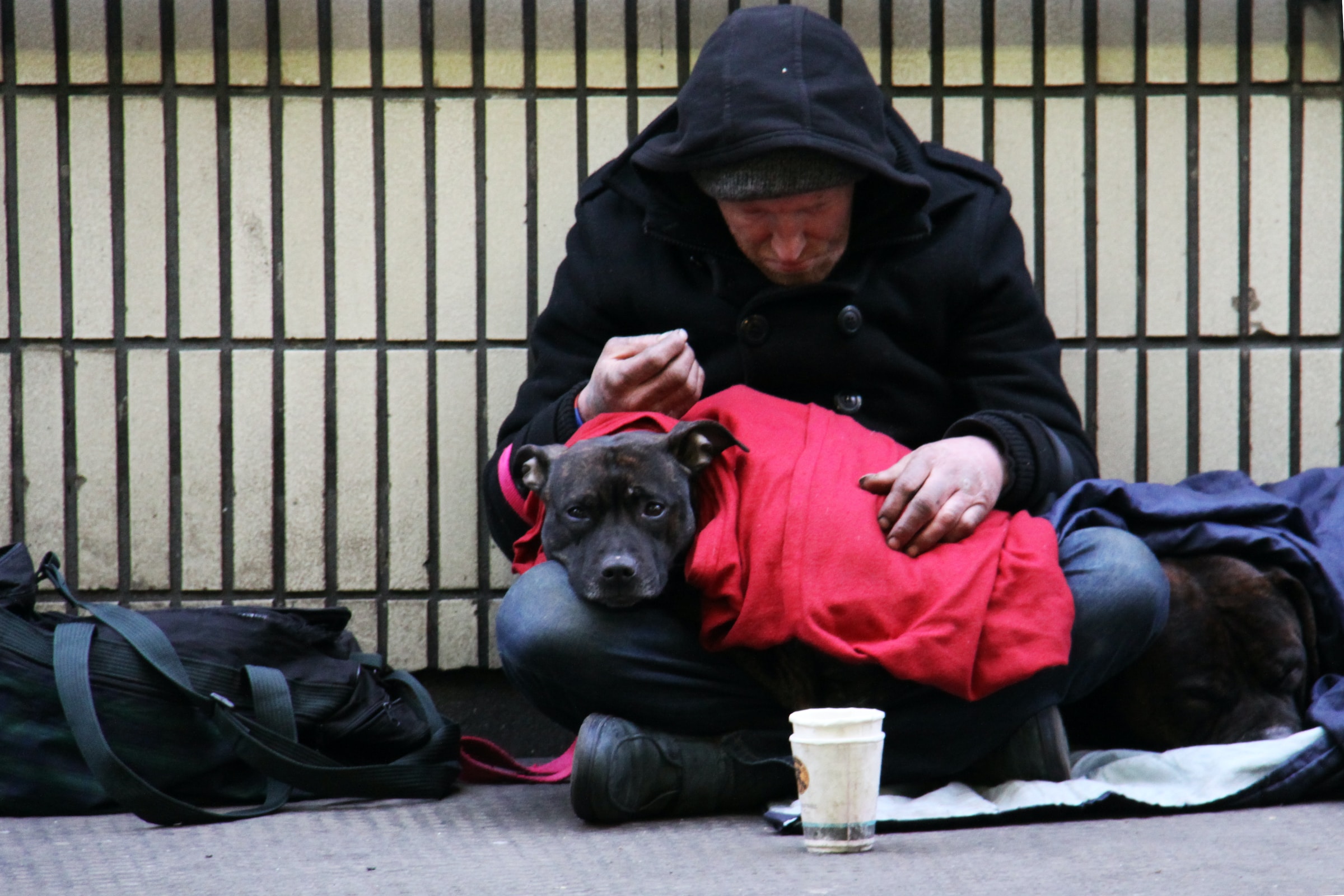
The National Union of the Homeless (USA)
The National Union of the Homeless (NUH) was a grassroots organization in the United States that emerged in the 1980s. It was dedicated to advocating for the rights and needs of homeless individuals and families. The 1980s saw a significant increase in homelessness in the United States, driven by cutting of mental health facilities, rising…
-
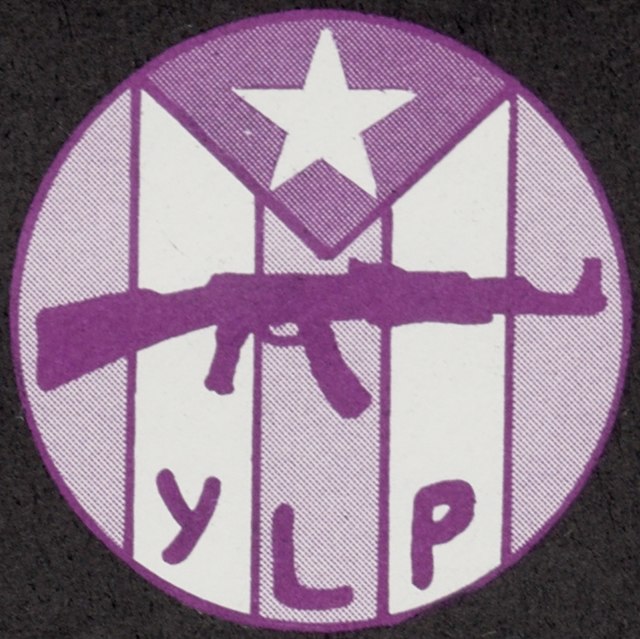
The Young Lords
The Young Lords Party was born out of the disenfranchised Puerto Rican community in Chicago in 1968, and then El Barrio (East Harlem), New York City in 1969. From there, the Lords expanded into cities like Philadelphia; Bridgeport, Connecticut; and eventually San Juan, Puerto Rico. The Young Lords brought people into the movement by starting with…
-
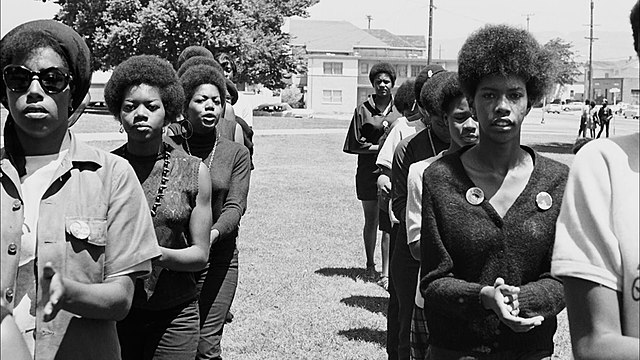
The Black Panther Party
In 1968, the Black Panther Party introduced its free breakfast program, which within a year feed 20,000 in 19 cities. This was one of 65 “survival programs” created by the party- with the slogan “survival pending revolution”. Other programs included children’s development centres, schools and adult education, free food/clothing, health clinics (with an ambulance service),…
Mutual Aid Today
-
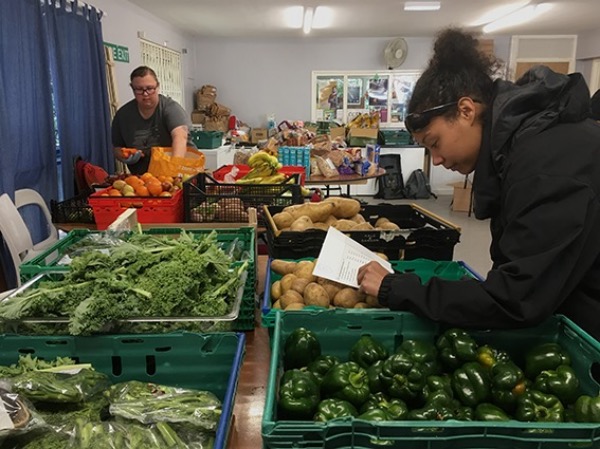
Cooperation Town
Cooperation Town is a movement of community food co-ops, self organising on streets and estates across the UK. There are currently 21 co-ops in the network, and they are owned and run by their members, who democratically decide how to organise the project. There are different types of food co-ops, some of them are shops,…
-
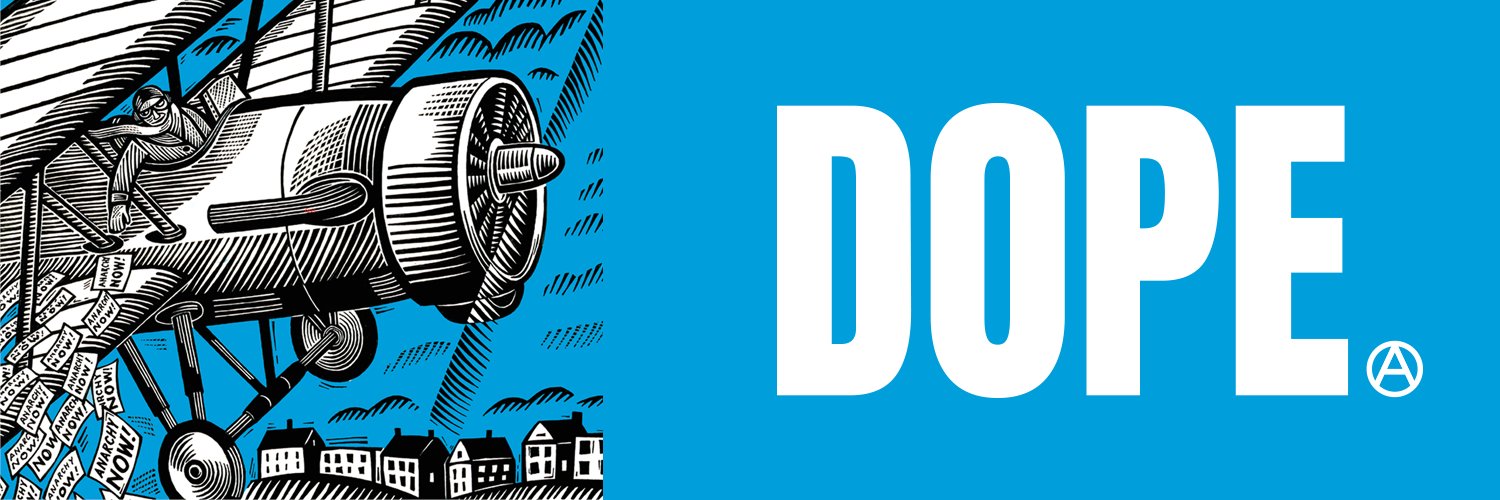
DOPE Magazine
DOPE is a quarterly anarchist magazine run by workers cooperative Dog Section Press. Each issue 30,000 copies are printed, paid for by crowdfunding, and are then given out to homeless people to sell. Unlike extractive models like Big Issue, where Big Issue keeps some of the money, here the homeless people receive the newspaper for…
-
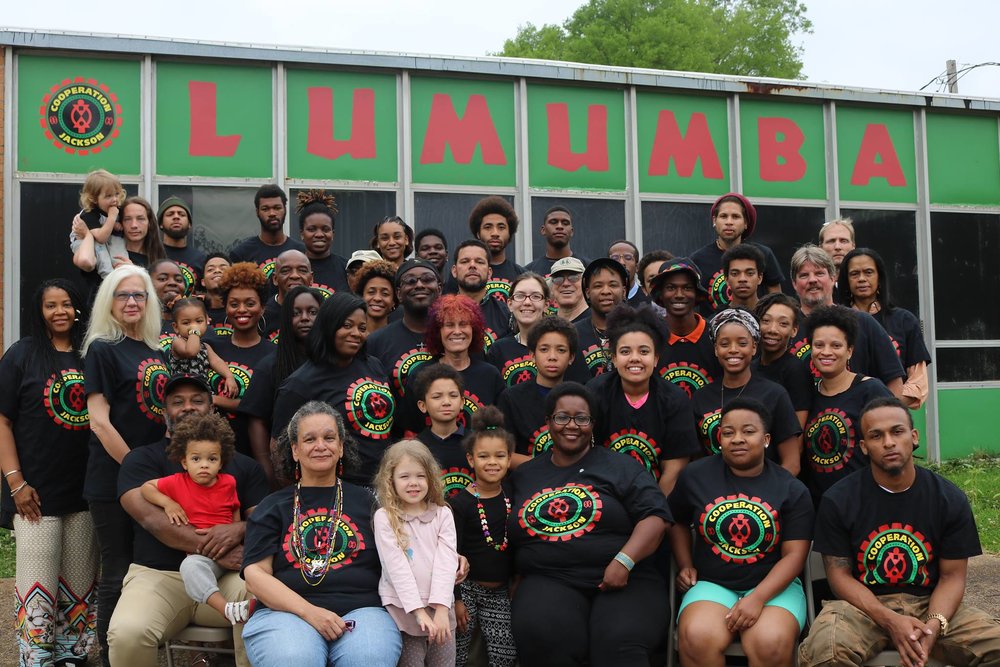
Cooperation Jackson
Launched on 1 May 2014, Cooperation Jackson is a libertarian-ecosocialist and predominantly Black-led network of worker cooperatives in Jackson, Mississippi. “The broad mission of Cooperation Jackson is to advance the development of economic democracy in Jackson, Mississippi by building a solidarity economy anchored by a network of cooperatives and other types of worker-owned and democratically…
-
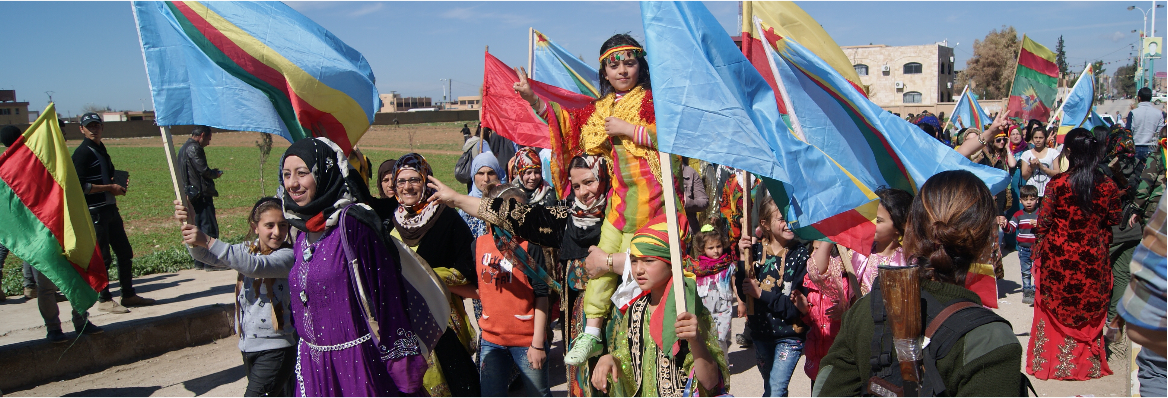
Rojava and bakur
In Rojava, and Bakur a model based on a matrix of autonomous neighbourhood assemblies (or ‘communes’), civil society organisations, political parties, unions, co-operatives has been built up. It works from the bottom up, via a system of rotating delegates, with quotas for men, women, and each of the different ethnic groups that make up the…
-
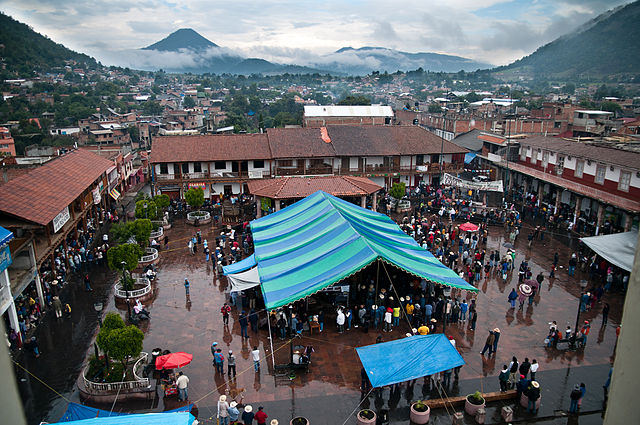
Cherán, Mexico
In 2011, the P’urhépecha town of Cherán (in Mexico) kicked out police, politicians, cartels, and unauthorized loggers. Since then, residents have horizontally self-governed while protecting their community and forest based on the principle of kuájpekurhikua, meaning “taking care of the territory.”[1] Culture The ongoing uprising aims to revitalize P’urhépecha traditions and language[2] and to empower all…
-
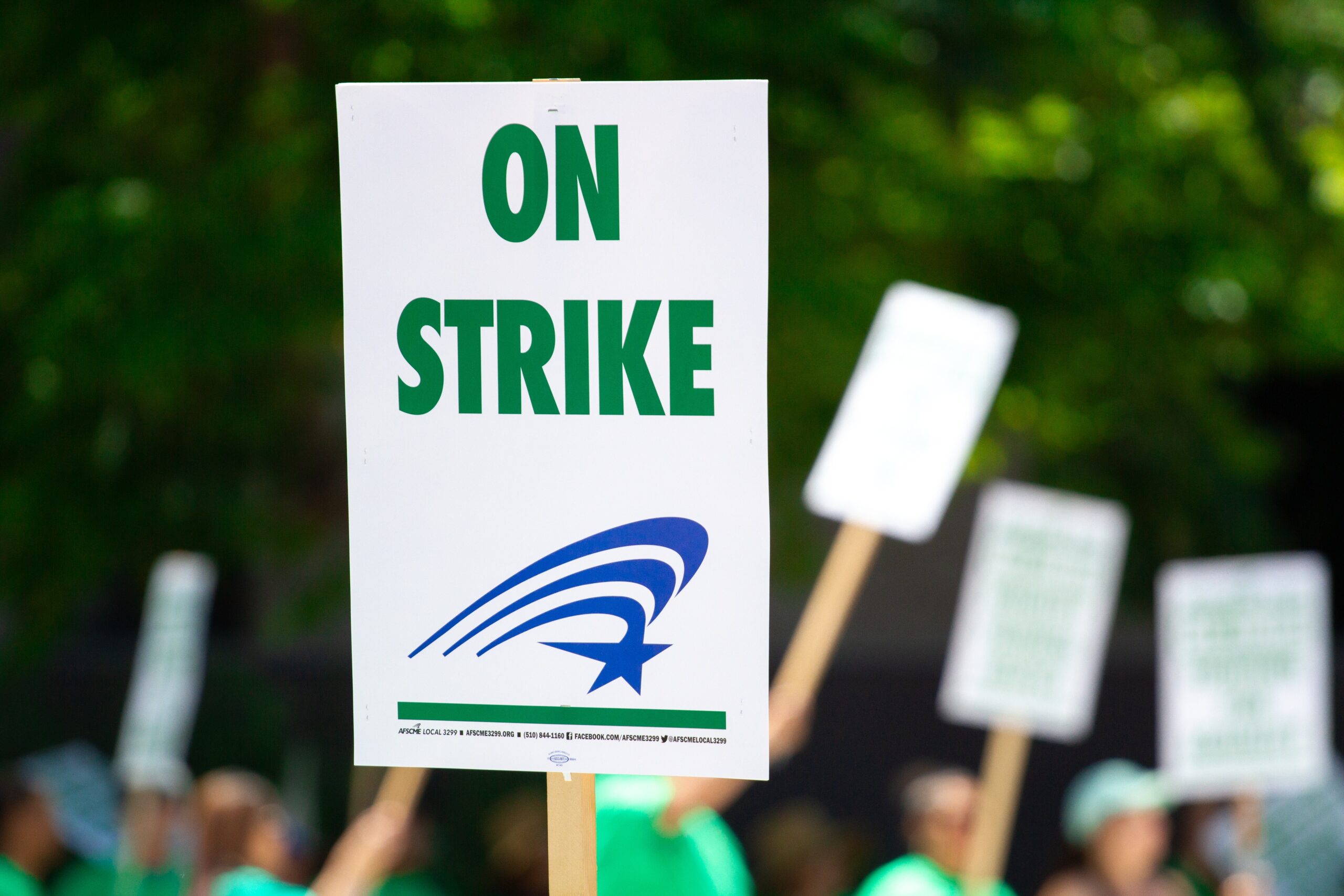
Workers strike funds
Strike funds are an essential component of trade union operations, designed to mitigate the financial hardships that members may face when engaging in labor strikes. These funds are typically built up over time through member contributions, union dues, and other fundraising efforts. When workers go on strike, they often forfeit their regular income, making it…
-
Abahlali baseMjondolo
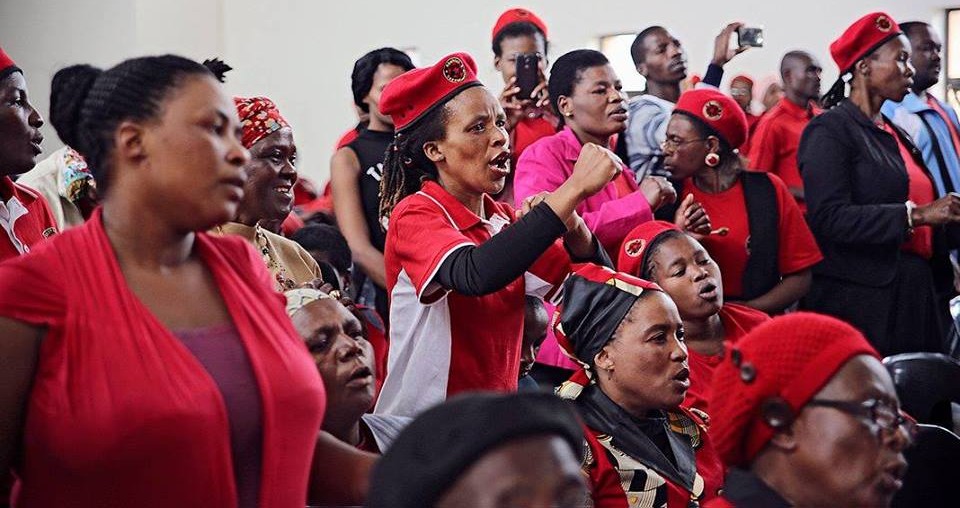
Abahili baseMjondolo, meaning “people of the shacks” in Zulu, is an anti-authoritarian movement in South Africa. In 2021, they had “more than 100 000 members in 86 branches across five provinces.” The next year, membership grew to “more than 115,000.”[1] The Abahlali movement maintains numerous communes which make decisions based on consensus. Influenced by Franz…
-
Migrant crossing support
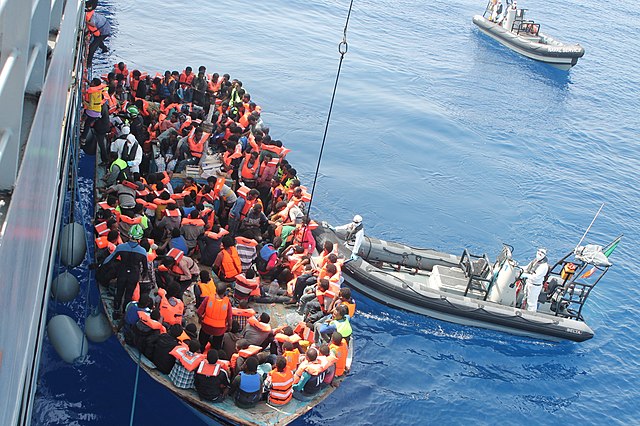
For example, in the USA No More Deaths aims to end fatalities of immigrants crossing the desert on the USA-Mexico border. Volunteers provide food, water, and medicine for those crossing. In the UK Channel Rescue holds authorities to account in their duty of those trying to cross the English Channel. This involves monitoring the situation…
-

Venezuelan communes
In Venezuela, hundreds of thousands of people live in (as of 2016) more than 1,500 participatory communes.[1] The communes’ locally-managed workplaces produce “millions of tons of coffee, corn, plantains, and bananas annually.”[2] The communes’ origins can be traced back to neighborhood assemblies of the 1980s, but after Hugo Chavez took power in 1999, the new regime…
-

Letter writing to prisoners
Letter writing to prisoners is a poignant example of a mutual aid practice that offers support and connection to incarcerated individuals. This practice involves individuals or groups corresponding with prisoners to provide emotional support, maintain connections with loved ones, and offer a lifeline to those who may feel isolated. Its also vital for movements that…