
There are an endless number of Mutual Aid practices going on all over the world today. This page is a glimpse into just some of the projects, movements and societies which are based on these practices.
-
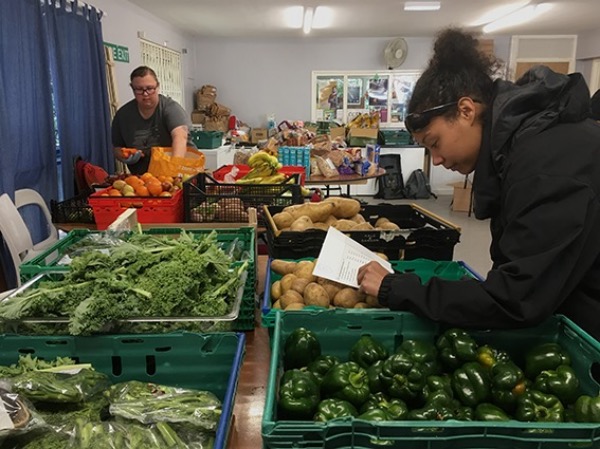
Cooperation Town
Cooperation Town is a movement of community food co-ops, self organising on streets and estates across the UK. There are currently 21 co-ops in the network, and they are owned and run by their members, who democratically decide how to organise the project. There are different types of food co-ops, some of them are shops,…
-

DOPE Magazine
DOPE is a quarterly anarchist magazine run by workers cooperative Dog Section Press. Each issue 30,000 copies are printed, paid for by crowdfunding, and are then given out to homeless people to sell. Unlike extractive models like Big Issue, where Big Issue keeps some of the money, here the homeless people receive the newspaper for…
-
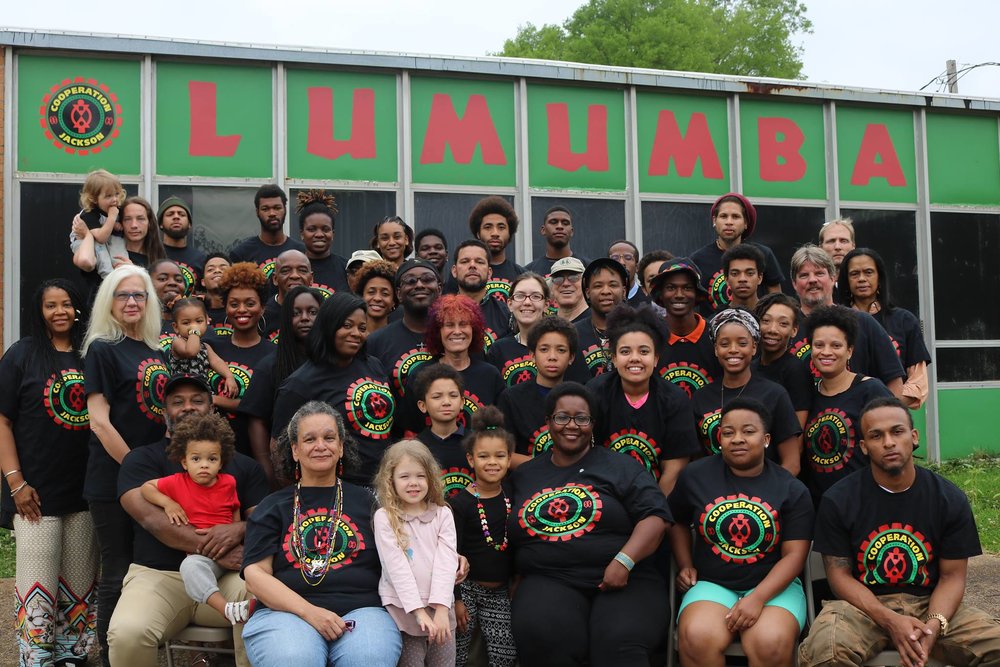
Cooperation Jackson
Launched on 1 May 2014, Cooperation Jackson is a libertarian-ecosocialist and predominantly Black-led network of worker cooperatives in Jackson, Mississippi. “The broad mission of Cooperation Jackson is to advance the development of economic democracy in Jackson, Mississippi by building a solidarity economy anchored by a network of cooperatives and other types of worker-owned and democratically…
-
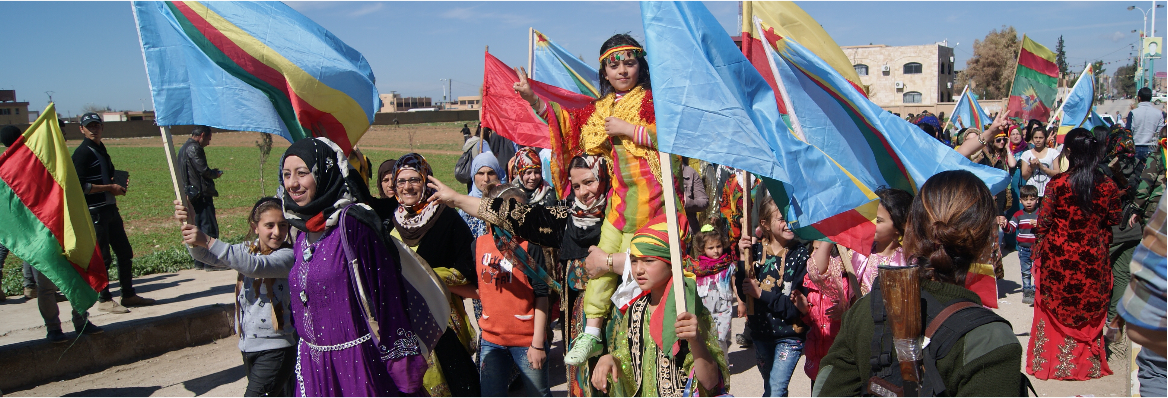
Rojava and bakur
In Rojava, and Bakur a model based on a matrix of autonomous neighbourhood assemblies (or ‘communes’), civil society organisations, political parties, unions, co-operatives has been built up. It works from the bottom up, via a system of rotating delegates, with quotas for men, women, and each of the different ethnic groups that make up the…
-
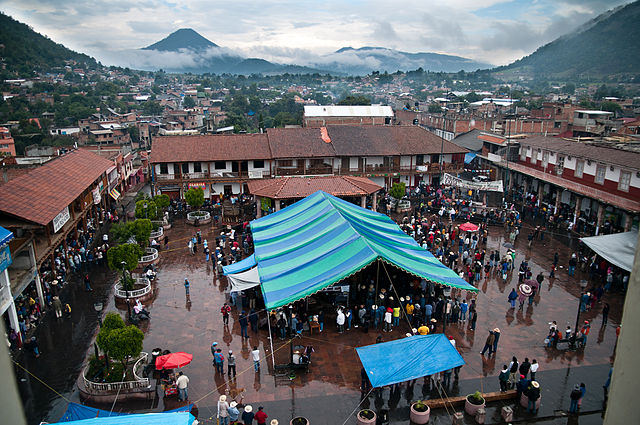
Cherán, Mexico
In 2011, the P’urhépecha town of Cherán (in Mexico) kicked out police, politicians, cartels, and unauthorized loggers. Since then, residents have horizontally self-governed while protecting their community and forest based on the principle of kuájpekurhikua, meaning “taking care of the territory.”[1] Culture The ongoing uprising aims to revitalize P’urhépecha traditions and language[2] and to empower all…
-

Workers strike funds
Strike funds are an essential component of trade union operations, designed to mitigate the financial hardships that members may face when engaging in labor strikes. These funds are typically built up over time through member contributions, union dues, and other fundraising efforts. When workers go on strike, they often forfeit their regular income, making it…
-
Abahlali baseMjondolo
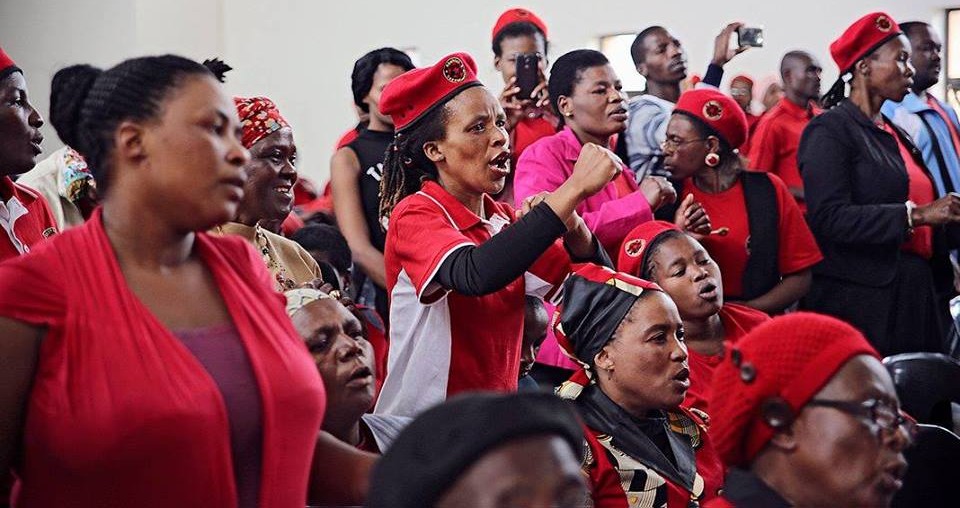
Abahili baseMjondolo, meaning “people of the shacks” in Zulu, is an anti-authoritarian movement in South Africa. In 2021, they had “more than 100 000 members in 86 branches across five provinces.” The next year, membership grew to “more than 115,000.”[1] The Abahlali movement maintains numerous communes which make decisions based on consensus. Influenced by Franz…
-
Migrant crossing support
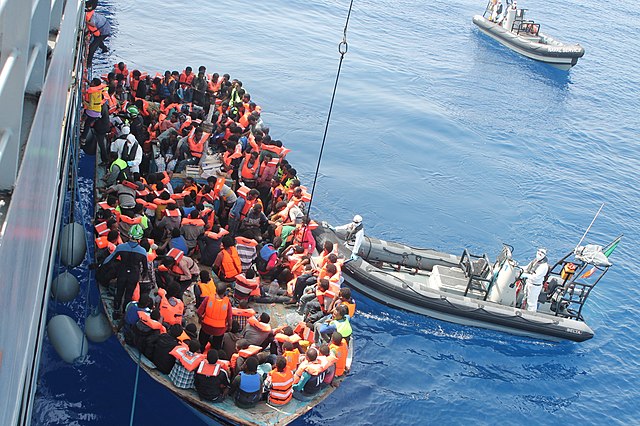
For example, in the USA No More Deaths aims to end fatalities of immigrants crossing the desert on the USA-Mexico border. Volunteers provide food, water, and medicine for those crossing. In the UK Channel Rescue holds authorities to account in their duty of those trying to cross the English Channel. This involves monitoring the situation…
-

Venezuelan communes
In Venezuela, hundreds of thousands of people live in (as of 2016) more than 1,500 participatory communes.[1] The communes’ locally-managed workplaces produce “millions of tons of coffee, corn, plantains, and bananas annually.”[2] The communes’ origins can be traced back to neighborhood assemblies of the 1980s, but after Hugo Chavez took power in 1999, the new regime…
-

Letter writing to prisoners
Letter writing to prisoners is a poignant example of a mutual aid practice that offers support and connection to incarcerated individuals. This practice involves individuals or groups corresponding with prisoners to provide emotional support, maintain connections with loved ones, and offer a lifeline to those who may feel isolated. Its also vital for movements that…
-
Zapatista-run Chiapas
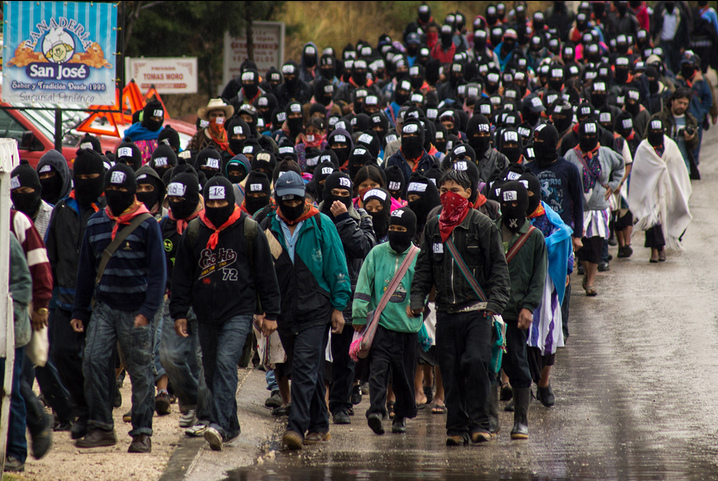
In Mexico’s southern-most state of Chiapas, indigenous Mayan small farmers rose up in 1994 and established an autonomous zone encompassing. In 2018, the Zapatista communities were estimated to have about 300,000 residents.[1] Without accepting any funds from the Mexican government since 1996[2], the Zapatistas have built their own schools, hospitals, health clinics, banks, community centers, and…
-
Landless Workers’ Movement
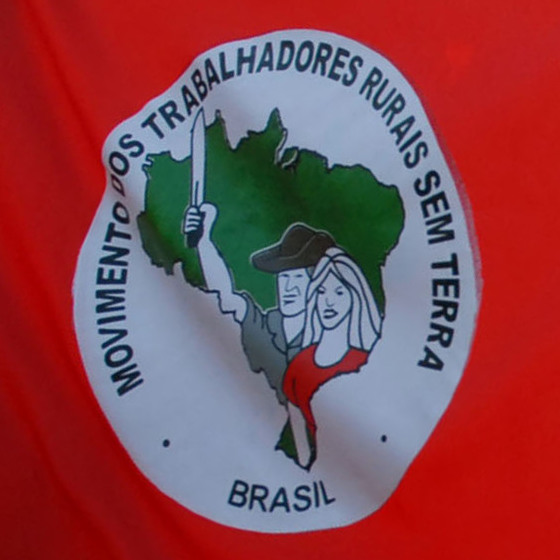
Founded in 1984, Brazil’s Movimento dos Trabalhadores Rurais Sem Terra (MST), or Landless Workers’ Movement, unites about 1.5 million members who seize unused land to live and farm on.[1] The MST currently has about 900 encampments where 150,000 families reside.[2] Researchers say MST’s occupied lands comprise an area larger than Italy. The MST is committed to Indigenous…
-

Co-counselling
Co-counselling is a peer-to-peer approach to personal growth, emotional support, and self-help. It is a cooperative and non-hierarchical form of counseling in which individuals take turns as both the counselor and the client, providing emotional support and guidance to each other. Co-counseling is typically practiced within a structured framework, and it is often used to…
-
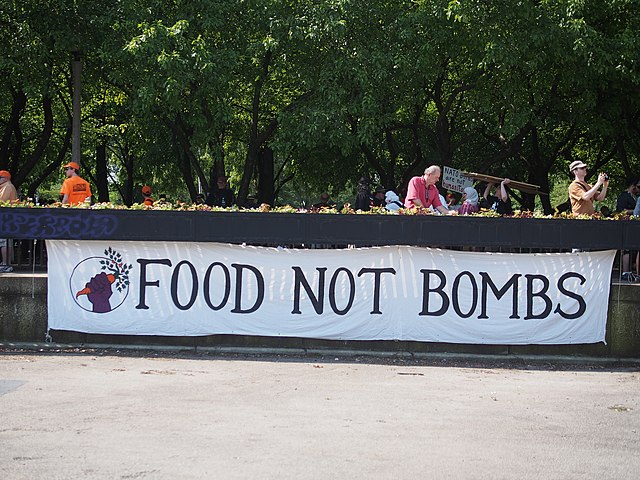
Food not bombs
Food not bombs is a global group that provides free vegan meals on the street. The food is collected from surplus from supermarkets and bakeries that would otherwise go to waste. A core part of the ethos of the group is that food as a right not a privilege. Food not bombs operates in 1,000 cities…
-

Rotating Savings and Credit Associations
Rotating Savings and Credit Associations (ROSCAs) are informal financial cooperatives where individuals come together to regularly contribute a fixed amount of money to a common fund, with funds distributed to members in rotation. This concept has a rich and diverse history, with variations found globally. In ancient societies, similar systems existed under different names, like…
-

Community bail funds
Community bail funds are organisations that raise money to pay bail for individuals who cannot afford it, helping them avoid pretrial detention and its associated negative consequences- like higher rates of conviction, longer sentences, loss of housing and jobs, separation of families and loss of custody.
-
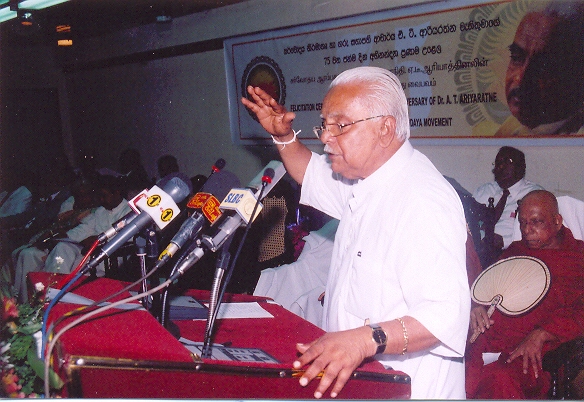
Sarvodaya Shramadana Movement
Sri Lanka’s Sarvodaya Shramadana Movement is an alternative-development network that includes some 15,000 villages, with 2,000 of them self-governed and self-reliant.[1] Founded in 1958 by A.T. Ariyaratne, the movement is inspired by Gandhian and Buddhist ideas of swaraj(self-governance), sarvodaya (common good), and shramadana (shared labor).[2] In 2008, Ariyaratne estimated that the movement provides services to 11 million people.[3] Ariyarante describes the movement’s…
-
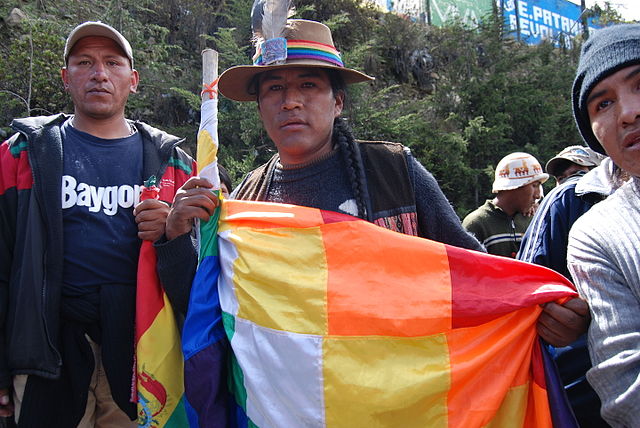
El Alto neighborhood councils
Over a million people[1] live in the Bolivian city of El Alto, mostly indigenous Aymarans whose families have migrated from the countryside over the past few decades. With the state providing the city with very little infrastructure, residents have found ways to govern their own affairs and manage their own economy through neighborhood councils and unions,…
-

Ubuntu philosophy
Ubuntu is a profound African philosophy deeply rooted in the cultural fabric of various African societies, particularly among the Nguni Bantu-speaking peoples of southern Africa. At its core, Ubuntu encapsulates the idea that our individual identities and well-being are fundamentally intertwined with the well-being of our community. Ubuntu underscores the interconnectedness of all people. It…